Where Wonder meets Wellbeing - A Conversation on Mental Wellness, Arts and Science
An engineer, technologist and mental wellness advocate reflects on why the future of wellbeing lies not in choosing between art and science, but in bringing them together.
*Your Foundation brings together arts, science and technology in support of mental wellness. What does that philosophy mean to you?*
For me, it began long before I understood the words "mental wellness."
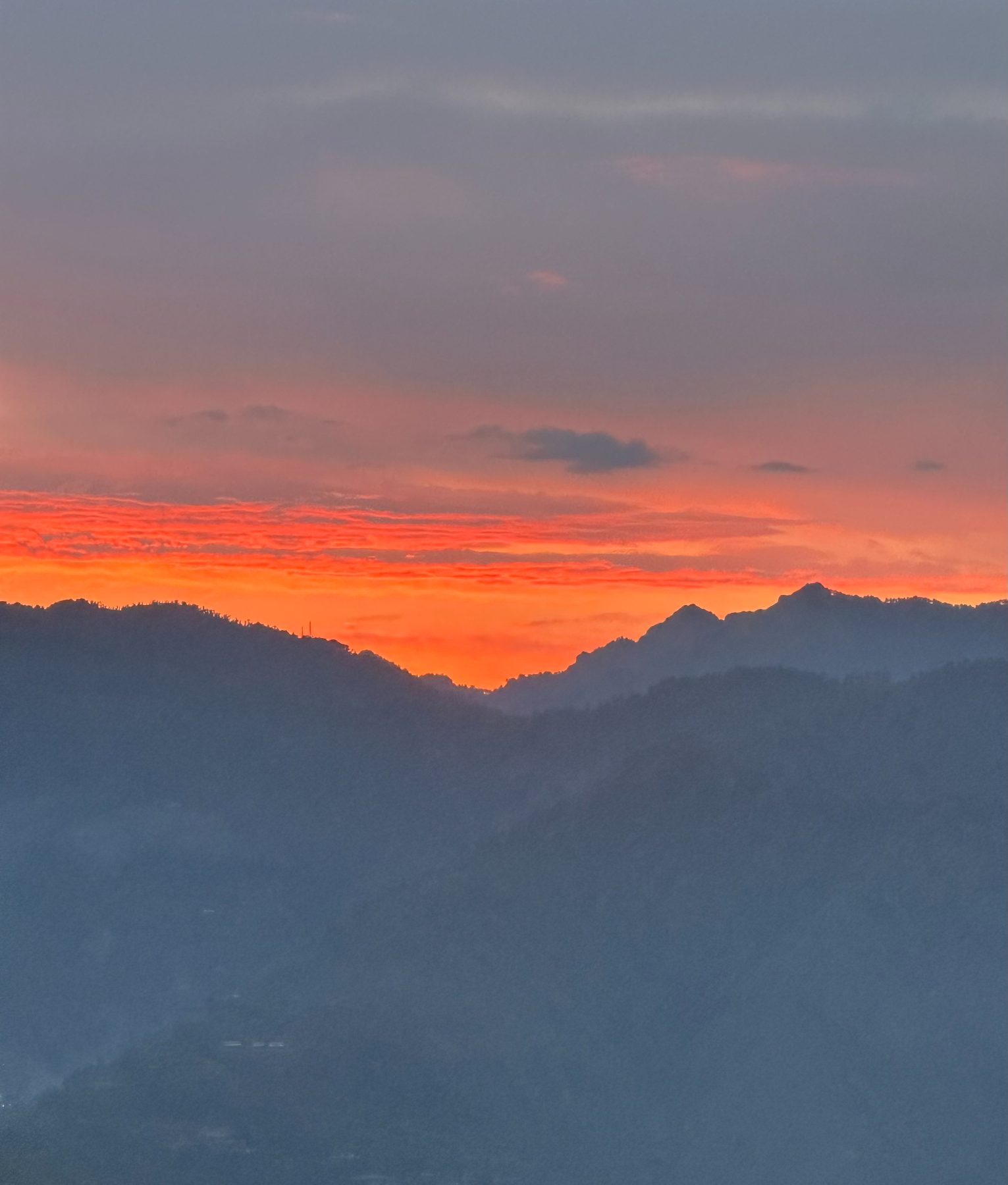
As a child, I was captivated by the night sky. I didn't think of it as astronomy or art—I simply experienced wonder. Looking up at the stars gave me a sense of calm, curiosity and perspective that I couldn't explain then but understand much better today.
As I grew older, that same sky became something else entirely. Science introduced me to Copernicus, Galileo and modern astronomy. The mystery I had admired as a child gradually became something I wanted to understand.
Looking back, I realize that the same experience was speaking to two different parts of me. Art invited me to feel; science invited me to ask questions. Neither diminished the other. Together, they nurtured curiosity, resilience and a lifelong appreciation for both beauty and understanding.
That realization ultimately shaped our Foundation's philosophy: mental wellness flourishes when creativity, science and human connection are allowed to work together rather than in isolation.
*You often describe yourself as an engineer rather than an artist. Why is the arts component so important to the Foundation's work?*
Because mental wellness isn't built by one discipline alone.
My background is in engineering and technology. I have spent much of my professional life building systems, solving complex problems and leading teams in fast-paced environments. Those skills are incredibly valuable, but they don't represent the entirety of the human experience.
The arts offer something equally important. They create space for reflection, emotional expression, connection and joy—things that are often difficult to measure but are fundamental to wellbeing.
I don't believe everyone needs to become an artist. I certainly don't consider myself one. But I do believe everyone benefits from engaging with creativity in some form.
That belief sits at the heart of our Foundation. We use the arts not as an end in themselves, but as a powerful pathway to conversations about mental wellness that are accessible, inclusive and deeply human.
*What inspired you to be a part of an organization that brings together arts, science and technology?*
I've always been fascinated by the unknown.
Whether it's understanding the universe, exploring the human brain or discovering why certain experiences move us emotionally, I find myself drawn to questions that don't yet have simple answers.
One of my favourite quotations is by Albert Einstein: "The most beautiful thing we can experience is the mysterious. It is the source of all true art and science."
That idea has stayed with me throughout my life. Science gives us methods to investigate. Art allows us to experience and express. Technology enables us to scale solutions and connect people in ways that were previously impossible.
*How has the intersection of technology, science and creativity influenced your own approach to mental wellness?*
Technology is fast-paced. Engineering demands precision. Leadership carries responsibility. Like many professionals, I spend much of my day making decisions, solving problems and managing complexity.
Those challenges are rewarding, but they can also be mentally demanding.
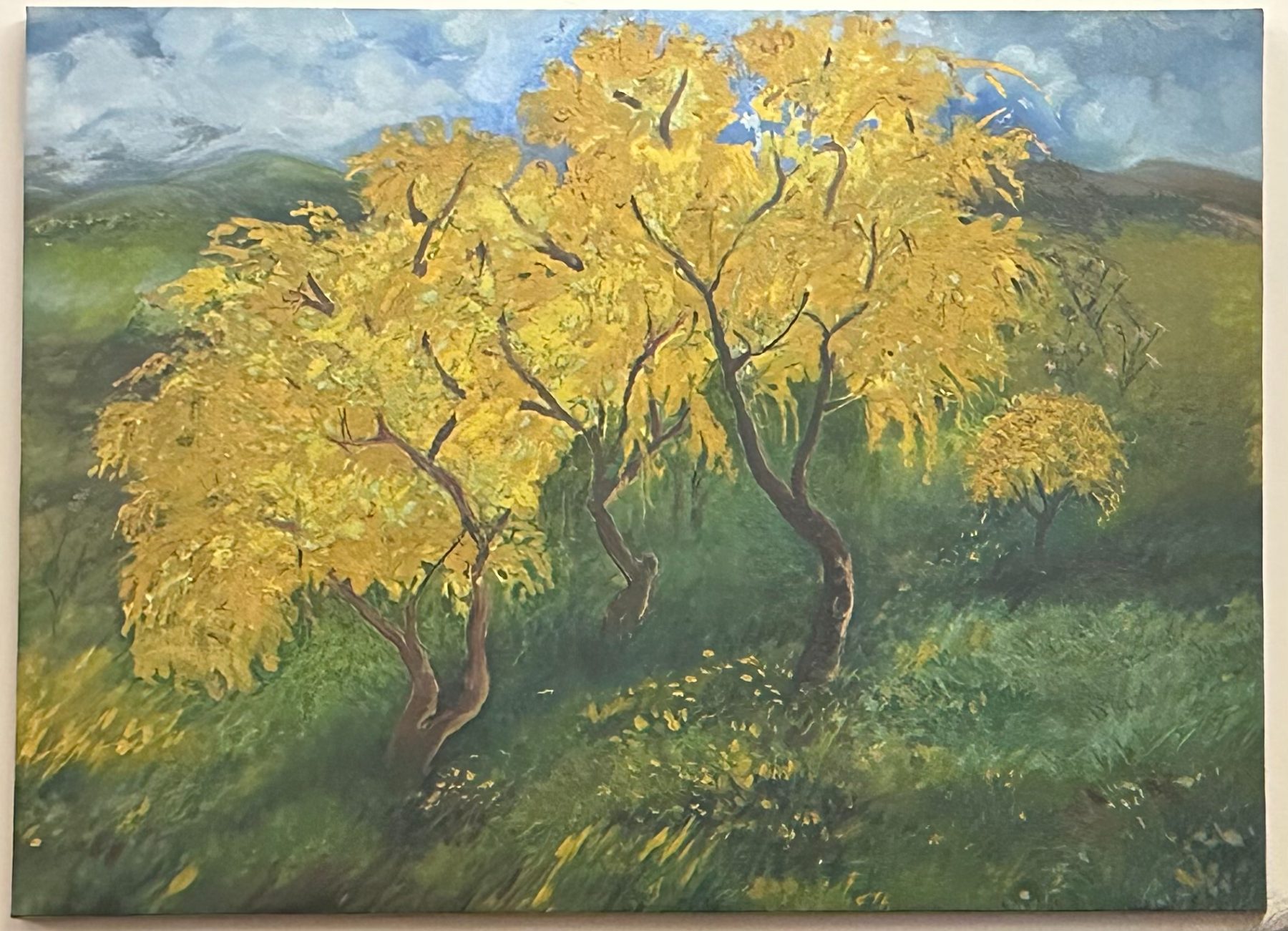
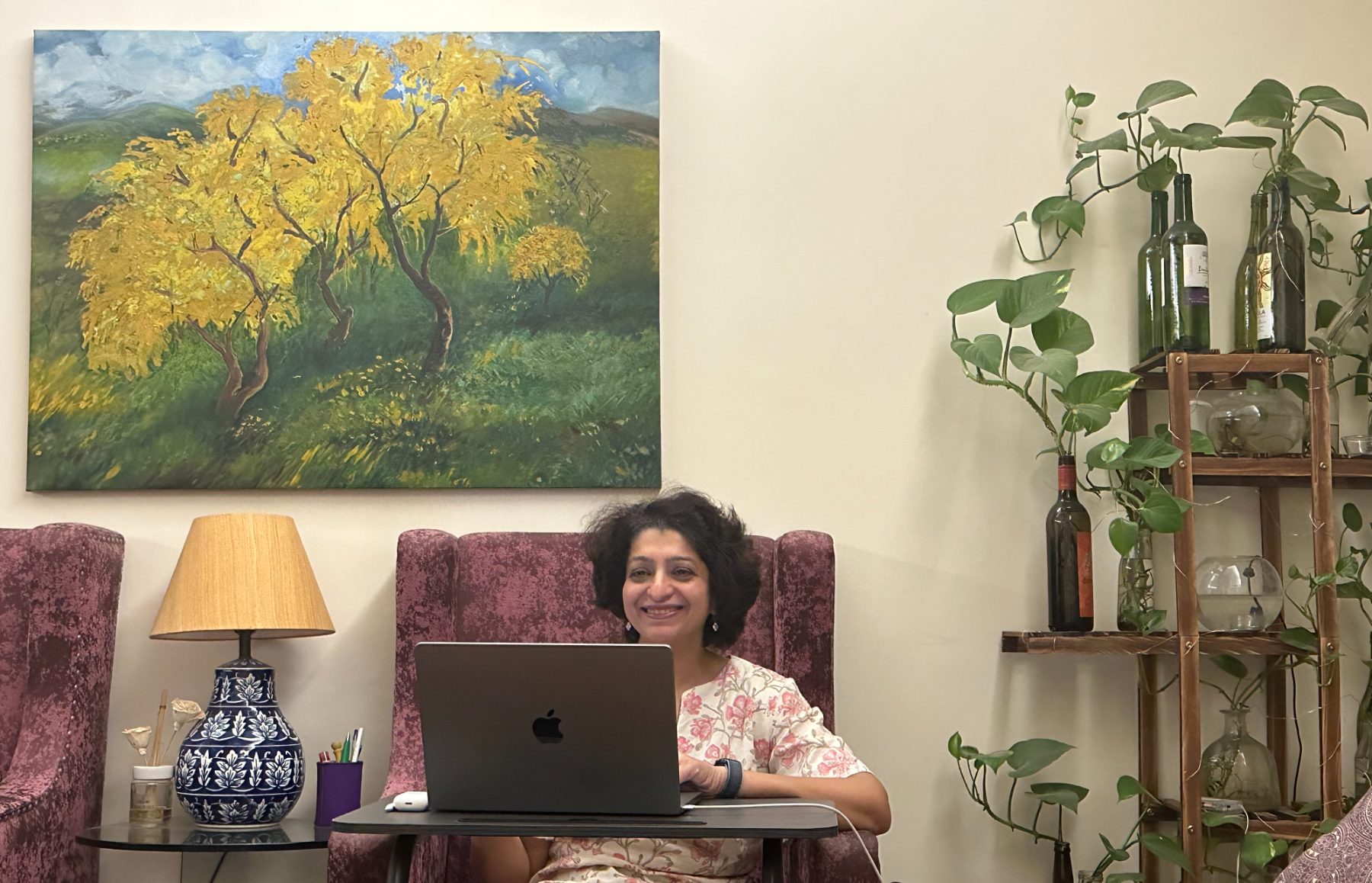
For me, creativity provides balance. Sometimes that's through painting, sometimes through music, sometimes simply by spending time in nature or reflecting on something beautiful.
These moments remind me that productivity isn't the same as wellbeing.
I've come to believe that mental wellness isn't something we achieve once and keep forever. It's something we cultivate continuously through habits, relationships, purpose and opportunities for creative expression.
That understanding is central to our Foundation's work. We want to create environments where people feel safe to connect with themselves and with others—whether that's through music, visual arts, science education, technology-enabled mental health initiatives or community experiences.
Ultimately, our mission isn't to make people artists. It's to help people discover meaningful pathways to better mental wellbeing.